Research Report
Effect of Different Spawn Rates on the Growth, Yield, and Economics of Oyster Mushroom (Pleurotus ostreatus) Cultivation in Bardiya, Nepal 
 ,
Aakriti Gautam1
 ,
Shiva Chaudhary2 ,
Kamal Budha2
2 Shree Janata Secondary School, Bardiya, 21808, Nepal
Author Correspondence author
International Journal of Horticulture, 2026, Vol. 16, No. 5 doi: 10.5376/ijh.2026.16.0028
Received: 28 Jul., 2026 Accepted: 22 Sep., 2026 Published: 19 Oct., 2026
Koirala B., Gautam A., Chaudhary S., and Budha K., 2026, Effect of different spawn rates on the growth, yield, and economics of oyster mushroom (Pleurotus ostreatus) cultivation in Bardiya, Nepal, International Journal of Horticulture, 16(5): 331-337 (doi: 10.5376/ijh.2026.16.0028)
Spawn rate is an important management decision in oyster mushroom (Pleurotus ostreatus) cultivation, shaping colonization speed, contamination risk, yield, and profitability. Most Nepalese growers nonetheless follow a traditional 10% rate (one 200 g spawn packet per 2 kg dry paddy straw) that reflects packet sizing and habit rather than local evidence. To test this convention, a pot-bag trial was conducted in Bansgadhi, Bardiya, using a Completely Randomized Design with five spawn rates 4%, 6%, 8%, 10% (farmer practice), and 12% each replicated four times. Increasing spawn rate progressively shortened the spawn run from 24.5 days (4%) to 15.9 days (12%), with pinhead initiation and first harvest following suit. Yield and biological efficiency rose with spawn rate up to 10% (468 g/bag; 23.4%) before plateauing at 12% (472 g/bag; 23.6%), while cap diameter and stipe length declined as fruiting-body density increased; contamination fell sharply above 6%. However, once spawn cost was weighed against returns, the 8% rate gave the highest benefit-cost ratio (1.34), ahead of the 10% standard (1.30). An 8% spawn rate is therefore recommended as the more economical choice for smallholder growers in Bardiya and similar Terai districts, while 10%-12% remains preferable where speed and maximum yield outweigh input cost.
1 Introduction
Oyster mushroom (Pleurotus ostreatus) is among the most widely grown mushroom species in Nepal, owing to its short cropping cycle, modest capital requirement, tolerance of a broad temperature range, and its ability to convert lignocellulosic residues such as paddy straw into a nutritious, marketable food (Pokhrel, 2016). National mushroom production has grown roughly eight-fold over the past decade, from about 1,530 t in 2010/11 to about 12,607 t in 2019/20 (MoALD data cited in Sapkota et al., 2022), and the crop is now recognized as one of the more accessible entry points into commercial horticulture for landless and smallholder households (Raut, 2019). Its cultivation has spread quickly among smallholder and landless farmers across the Terai, including Bardiya district one of Lumbini Province’s major rice-producing districts, with roughly 77,500 ha under paddy cultivation and an annual paddy output of about 310,600 t (MoALD, 2023) where the resulting paddy straw is abundant right after the main rice harvest and mushroom growing offers a short-duration source of household income through the winter months (Poudel and Bajracharya, 2017).
Spawn is the vegetative seed material through which mycelium is introduced into the substrate, and the spawn rate the proportion of spawn to substrate on a weight basis is one of the most influential, and most cost-sensitive, decisions a grower makes. A higher spawn rate generally speeds up mycelial colonization and narrows the window during which competing molds and bacteria can get a foothold, but it also raises the direct cost of production, since spawn is typically the single most expensive input after labour (Bhandari et al., 2022). An insufficient spawn rate, on the other hand, can prolong colonization, increase contamination losses, and delay cropping cutting into both yield and profit at the same time.
In Bardiya and comparable Terai districts, a spawn rate of about 10% mixing one 200 g spawn packet with roughly 2 kg of dry paddy straw is commonly used in local commercial practice. The rationale behind this specific rate does not appear to have been documented, and it may owe as much to spawn-packet sizing and grower habit as to deliberate optimization, though this has not been formally verified; comparable studies quantifying the growth, yield, and economic trade-offs of spawn rate under Nepalese Terai conditions remain scarce (Sapkota et al., 2022).
Most published spawn-rate work comes out of other South Asian contexts with different substrates, climates, and cost structures, which limits how directly it can be applied to Bardiya’s growing conditions. On wheat straw in Pakistan, Bhatti et al. (2007) found that raising the grain-spawn rate progressively shortened the spawn run and that fresh-weight yield peaked at a 70 g/kg substrate rate (equivalent to about 7%, roughly 45% of substrate fresh weight), only marginally ahead of a 60 g/kg rate (about 6%, roughly 44%). Working with the related species Pleurotus pulmonarius on wheat straw in India, Pal et al. (2017) reported that increasing spawn rate from 0.5% to 8% shortened the spawn run to 10.5 days and pinhead formation to 12.3 days at 8%, which also gave the highest yield (168.7 g per 200 g dry substrate) and biological efficiency (84.3%), with only small gains in yield between 4% and 8%. Both studies point to a similar pattern of diminishing returns beyond a moderate spawn rate, broadly consistent with what was anticipated for Bardiya, but neither reported spawn cost or benefit-cost outcomes, and neither used paddy straw, underscoring the need for locally grounded data (Paudel and Dhakal, 2020).
This study was therefore undertaken to: (i) evaluate the effect of five spawn rates on mycelial colonization, pinhead initiation, and time to harvest; (ii) compare yield, yield-related morphological traits, and biological efficiency across spawn rates; and (iii) determine, through a simple benefit-cost analysis, the most economical spawn rate for smallholder oyster mushroom production in Bardiya, Nepal.
2 Materials and Methods
2.1 Experimental site
The experiment was conducted at Shree Janata Secondary School, Bansgadhi Municipality, Bardiya District, Lumbini Province, Nepal (28.26°N, 81.52°E; approximately 150 m above sea level), in a purpose-built mushroom cultivation shed adjoining the school science laboratory, from November 2024 to January 2025. The district has a subtropical monsoon climate with average annual rainfall of approximately 1,600-1,900 mm, most of it falling between June and September; during the trial period, ambient outdoor temperatures ranged from approximately 9 °C in December to 24 °C in November.
Because oyster mushroom production requires close environmental control, cultivation was carried out indoors rather than in the open field: the shed was constructed of brick walls with a corrugated tin roof lined with thatch for insulation, and incubation and fruiting activities were separated into two adjoining rooms. Incubation-room temperature was maintained at 24 °C-28 °C using ambient conditions supplemented by damp jute-sack curtaining on warmer afternoons, while the fruiting room was held at 18 °C-22 °C with 80%-90% relative humidity through regular hand-misting, and both rooms were monitored twice daily with a digital thermometer and hygrometer. The shed had not previously been used for mushroom cultivation, and all racks and surfaces were cleaned and disinfected with a 2% bleach solution before the experiment was established.
2.2 Experimental design and treatments
The experiment was laid out in a Completely Randomized Design (CRD) with five treatments and four replications, resulting in twenty experimental bags. The treatments were as follows: T1: 4% spawn rate (80 g spawn/2 kg dry substrate); T2: 6% spawn rate (120 g); T3: 8% spawn rate (160 g); T4: 10% spawn rate (200 g, farmer practice); T5: 12% spawn rate (240 g).
Certified Pleurotus ostreatus grain spawn, obtained from a locally available commercial strain, was procured from Mushroom Seed Nepal & Research Center, Madhyapur Thimi-3, Chardobato, Bhaktapur, Nepal, a registered mushroom spawn producer, on November 5, 2025. The spawn was produced on wheat grain and used within one week of collection to preserve viability. Bags were arranged individually, rather than in field plots, on three-tier bamboo incubation racks, with treatments and replications randomized across rack positions to minimize any position-related microclimate effects within the shed.
2.3 Substrate preparation and bag inoculation
Clean, dry paddy straw sourced from local rice fields around Bansgadhi was chopped into 3-5 cm pieces and pasteurized using the hot-water immersion method (approximately 80 °C for one hour) in a drum heated over a wood-fired stove, after which the straw was drained and spread on a raised bamboo platform until it reached 65-70% moisture content, checked by the hand-squeeze test. Two kilograms of dry-weight-equivalent substrate was weighed for each bag on a digital balance and layered alternately with the assigned quantity of spawn inside perforated polypropylene bags (35 × 50 cm, 10 to 12 ventilation holes per bag, punched by hand rather than to a fixed template). Bags were sealed at the neck with cotton plugs and rubber bands, labelled by treatment and replication, and shifted to the incubation room within two hours of inoculation. Because hole number, diameter, and position were not standardized across bags, and additional cropping holes were later cut where colonization was uneven (Section 2.4), some bag-to-bag variation in ventilation and fruiting conditions cannot be ruled out; this is acknowledged as a limitation of the experimental setup (Section 4.4).
2.4 Crop management
Inoculated bags were incubated in the dark until mycelial colonization was visually complete (white mycelium fully covering the substrate), after which they were transferred to the fruiting room, the bag mouths opened, and cropping holes cut where colonization was uneven. Humidity was maintained through misting three to four times daily, and the room was ventilated by opening mesh-covered windows for 30 minutes each morning and evening to allow fresh-air exchange while excluding insects. No chemical fungicides or pesticides were applied at any stage; the only contamination-management measure was prompt removal and disposal of visibly infected bags to prevent spread to adjacent racks.
2.5 Observations and measurements
Days to complete spawn run, days to pinhead initiation, and days to first harvest were recorded from the date of inoculation for each bag. At every flush, the number of fruiting bodies, cap diameter, and stipe length were measured on five randomly tagged fruiting bodies per bag using a digital Vernier caliper (±0.01 mm) and averaged. Mushrooms were harvested at the button-to-early-flat stage across all flushes for 35 days from the date of transfer to the fruiting room, and total fresh yield per bag was recorded cumulatively using a digital balance (±0.1 g) and expressed on a g/bag and biological efficiency basis. Bags showing visible green (Trichoderma) or bacterial contamination before spawn run completion were recorded and excluded from subsequent yield measurement.
2.6 Biological efficiency and benefit-cost ratio
Biological efficiency (BE) was calculated as follows: BE (%) = (Total fresh mushroom yield ÷ Dry substrate weight) × 100. The benefit-cost ratio (BCR) for each treatment was estimated using a Bardiya farm-gate fresh mushroom price of NPR 250/kg and prevailing local input costs spawn at NPR 0.25/g and fixed non-spawn costs of NPR 40/bag (straw, bags, labour, and fuel for pasteurization) following BCR = Gross return ÷ Total cost of production.
2.7 Statistical analysis
Data were subjected to one-way analysis of variance (ANOVA) appropriate for a completely randomized design (CRD), following the procedures described by Gomez and Gomez (1984). Statistical analyses were performed using R software (version 4.3.1; R Core Team) through the RStudio interface. Prior to ANOVA, the assumptions of normality and homogeneity of variance were assessed using the Shapiro-Wilk and Levene’s tests, respectively. Treatment means were separated using Duncan’s Multiple Range Test (DMRT) at the 5% level of significance, and DMRT was used consistently as the sole method of mean comparison throughout Tables 1-3. Mean separation was performed using the agricolae package in R [AUTHOR TO CONFIRM: package version]. Microsoft Excel was used for data organization and summary calculations. For each parameter, the results are presented as treatment mean ± standard error (SE; n = 4), together with the ANOVA F-value, corresponding p-value, and DMRT letter groupings. The coefficient of variation (CV%) was calculated for each parameter.
3 Results and Analysis
3.1 Spawn run, pinhead initiation, and harvesting time
Spawn rate had a highly significant effect on the duration of mycelial colonization and the developmental stages that followed it (Table 1). Raising the spawn rate from 4% to 12% progressively shortened the spawn run period, though the rate of improvement clearly diminished beyond 10%. T4 and T5 were statistically at par across all three timing parameters, pointing to diminishing returns beyond the farmer-practice spawn rate (see Section 4.1 for interpretation).
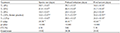 Table 1 Effect of spawn rate on spawn run, pinhead initiation, and first harvest Note: Means in a column followed by different lowercase letters differ significantly at p ≤ 0.05 (DMRT). ** p ≤ 0.01; *** p ≤0.001. SE: standard error (n = 4); CV: coefficient of variation |
3.2 Number of fruiting bodies, cap diameter, and stipe length
Spawn rate significantly influenced all three morphological parameters (Table 2). The number of fruiting bodies per bag rose consistently with spawn rate, while average cap diameter and stipe length moved in the opposite direction, shrinking as fruiting-body density increased. T4 and T5 produced statistically similar numbers of fruiting bodies, both well ahead of the lower spawn rates. Even so, both treatments produced smaller, thinner fruiting bodies than T1 and T2 a size-number trade-off discussed further in Section 4.2.
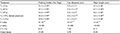 Table 2 Effect of spawn rate on fruiting body number, cap diameter, and stipe length Note: Means in a column followed by different lowercase letters differ significantly at p ≤ 0.05 (DMRT). ** p ≤ 0.01; *** p ≤0.001. SE: standard error (n = 4); CV: coefficient of variation |
3.3 Yield, biological efficiency, and contamination
Total fresh yield and biological efficiency followed the same upward trend as fruiting body number, while contamination incidence fell sharply as spawn rate increased (Table 3). Yield and biological efficiency at T4 (10%) and T5 (12%) were statistically indistinguishable, both significantly exceeding T1, T2, and T3. Contamination was observed only at the two lowest spawn rates: one of four bags at T1 (25%) and one of eight cumulative bag-observations at T2 (12.5%) showed visible green mold before spawn run completion, whereas no contamination at all was recorded at 8% spawn rate or above (interpreted further in Section 4.2).
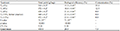 Table 3 Effect of spawn rate on total yield, biological efficiency, and contamination incidence Note: Means in a column followed by different lowercase letters differ significantly at p ≤ 0.05 (DMRT). *** p ≤ 0.001. Contamination incidence is reported descriptively as the percentage of bags affected and was not subjected to ANOVA. Values for total yield and biological efficiency are mean ± SE (n = 4). SE: standard error; CV: coefficient of variation |
3.4 Benefit-cost analysis
Because spawn cost rises directly with spawn rate while yield gains taper off beyond 8%-10%, the benefit-cost ratio did not increase monotonically with spawn rate (Table 4). The 8% spawn rate (T3) returned the highest benefit-cost ratio (1.34), narrowly ahead of 6% (1.33) and comfortably above the conventional 10% farmer practice (1.30). The 12% spawn rate, despite giving the numerically highest yield, actually returned the lowest BCR (1.18), because the extra spawn cost was not matched by a proportional yield gain over T4.
 Table 4 Cost, return, and benefit-cost ratio by spawn-rate treatment |
4 Discussion
4.1 Effect of spawn rate on colonization and cropping duration
The progressive shortening of spawn run, pinhead initiation, and first-harvest time with increasing spawn rate agrees with the general understanding that a higher density of inoculation points speeds up mycelial establishment throughout the substrate (Bhatti et al., 2007; Royse, 2014; Bhandari et al., 2022). The plateau between 10% and 12% suggests that once colonization points are dense enough, further increases in spawn rate buy very little additional time, since colonization speed becomes limited more by substrate quality and environmental conditions than by inoculum density alone a pattern also noted by Paudel and Dhakal (2020) working with different straw-based substrates in Nepal.
4.2 Effect of spawn rate on yield components and biological efficiency
The trade-off between fruiting body number and individual fruiting body size at higher spawn rates reflects a well-documented density-dependent response in Pleurotus cultivation: more numerous pinheads draw on a shared, finite pool of substrate nutrients, which constrains the maximum size any single fruiting body can reach (Chang and Miles, 2004). Despite the smaller individual mushrooms, total yield and biological efficiency were still highest at 10%-12% spawn rate, because the increase in fruiting body number outweighed the drop in individual size a pattern consistent with reports from other straw-based Pleurotus trials in South Asia (Ahmed et al., 2009).
The marked reduction in contamination incidence above 6% spawn rate lends some support to Nepalese growers' traditional preference for spawn rates at or above 10%: faster colonization leaves less time and fewer spare nutrients for competing molds to establish, which effectively works as a low-cost, non-chemical form of contamination control (Chang and Hayes, 1978).
4.3 Economic implications
The benefit-cost analysis makes a fairly simple but important point: the highest-yielding treatment is not necessarily the most profitable one. Although T4 (10%) and T5 (12%) produced the greatest yield and biological efficiency, the additional spawn expenditure needed to move from 8% up to 10% or 12% was not fully recovered through extra revenue, so the 8% spawn rate came out as the most economical option under the price and cost assumptions used here. This lines up with the broader argument that input-use decisions in mushroom cultivation should be guided by marginal cost-benefit analysis rather than yield maximization alone (Bhandari et al., 2022), and it suggests that Nepalese growers who currently follow the 10% convention could trim their spawn expenditure with only a marginal yield penalty and a corresponding gain in profit margin. Given that inadequate technical guidance and thin profit margins are repeatedly flagged as constraints on the wider mushroom sector in Nepal (MOALD, 2023), even a modest, evidence-based adjustment of this kind could matter at the farm level.
4.4 Limitations and future research
This trial was conducted at a single research station over one cropping cycle, and substrate moisture and internal bag temperature during colonization were not logged continuously; as a result, the specific physiological mechanisms behind the observed responses could not be verified directly. The benefit-cost analysis also relied on a single assumed farm-gate price and a simplified fixed-cost structure, which may not capture the price variability seen across markets and seasons in Bardiya — similar sensitivity has been reported for other input variables in Pleurotus systems, such as fertigation timing (Naim et al., 2020). Future work should repeat this trial across multiple locations and cropping seasons, incorporate direct monitoring of substrate temperature and moisture, and test a wider range of spawn rates (for example, 7% and 9%) to pin down the economically optimum rate more precisely, alongside a sensitivity analysis of the benefit-cost ratio under varying mushroom prices, along the lines suggested by Oei (2003) and Pal et al. (2017) for other Pleurotus species.
5 Conclusion
This study shows that spawn rate has a real, measurable effect on colonization speed, yield, morphology, contamination incidence, and profitability of oyster mushroom cultivation under Nepalese Terai conditions. Raising the spawn rate from 4% to 12% shortened the cropping cycle and increased yield and biological efficiency, with the largest gains occurring up to 10%, beyond which returns clearly diminished. Once spawn cost was weighed against gross returns, however, the 8% spawn rate emerged as the more economical choice, giving a benefit-cost ratio of 1.34 compared with 1.30 for the conventional 10% farmer practice. Smallholder growers in Bardiya and similar Terai districts who are aiming to maximize profitability rather than raw yield may want to consider trimming their spawn rate from the traditional 10% down to around 8%, while growers who priorities the fastest possible cropping cycle and maximum yield should stick with the 10%-12% range. Multi-season, multi-location trials, together with sensitivity analysis under varying market prices, are recommended before this recommendation is generalized to other regions of Nepal.
Author contributions
BK conceived and designed the study, conducted the research, interpreted the results, and prepared the original manuscript. AG performed the data analysis, assisted with data interpretation, and critically reviewed the manuscript. SC and KB managed the experimental facility, supervised laboratory operations, and collected the experimental data. All authors read and approved the final manuscript.
Conflict of Interest Disclosure
The authors affirm that this research was conducted without any commercial or financial relationships that could be construed as a potential conflict of interest.
Ahmed S.A., Kadam J.A., Mane V.P., Patil S.S., and Baig M.M.V., 2009, Biological efficiency and nutritional contents of Pleurotus florida (Mont.) Singer cultivated on different agro-wastes, Nature and Science, 7(1): 44-48.
Bhandari S., Arun G.C., Pandit P., and Pande K., 2022, Profitability of oyster mushroom spawn production in Kathmandu Valley, Nepal, Nepalese Journal of Agricultural Sciences, 22: 36-41.
Bhatti M.I., Jiskani M.M., Wagan K.H., Pathan M.A., and Magsi M.R., 2007, Growth, development and yield of oyster mushroom, Pleurotus ostreatus (Jacq. Ex. Fr.) Kummer as affected by different spawn rates, Pakistan Journal of Botany, 39(7): 2685-2692.
Chang S.T., and Hayes W.A., eds., 1978, The Biology and Cultivation of Edible Mushrooms, Academic Press.
Chang S.T., and Miles P.G., 2004, Mushrooms: Cultivation, Nutritional Value, Medicinal Effect, and Environmental Impact, 2nd ed., CRC Press.
Gomez K.A., and Gomez A.A., 1984, Statistical Procedures for Agricultural Research, 2nd ed., John Wiley & Sons.
Ministry of Agriculture and Livestock Development (MoALD), 2023, Statistical Information on Nepalese Agriculture, Kathmandu, Nepal: Government of Nepal.
Naim L., Alsanad M.A., El Sebaaly Z., Shaban N., Abou Fayssal S., and Sassine Y.N., 2020, Variation of Pleurotus ostreatus (Jacq. Ex Fr.) P. Kumm. (1871) performance subjected to different doses and timings of nano-urea, Saudi Journal of Biological Sciences, 27(6): 1573-1579.
https://doi.org/10.1016/j.sjbs.2020.03.019
Oei P., 2003, Mushroom Cultivation: Appropriate Technology for Mushroom Growers, 3rd ed., Backhuys Publishers.
Pal J., Sharma R., Lal M., and Suman B.C., 2017, Effect of different spawn rates and substrate supplementation on yield of Indian oyster mushroom, Pleurotus pulmonarius (Fr.) Quel., Journal of Applied and Natural Science, 9(3): 1406-1410.
https://doi.org/10.31018/jans.v9i3.1375
Paudel S., and Dhakal D., 2020, Archives of agriculture and environmental science, Archives of Agriculture and Environmental Science, 5(2): 190-195.
https://doi.org/10.26832/24566632.2020.0502016
Pokhrel C.P., 2016, Cultivation of oyster mushroom: A sustainable approach of rural development in Nepal, Journal of Institute of Science and Technology, 21(1): 56-60.
https://doi.org/10.3126/jist.v21i1.16050
Poudel S., and Bajracharya A., 2017, Prospects and challenges of mushroom cultivation in Nepal: A case study of Lakuri Bhanjyang, Lalitpur, Tribhuvan University, Kathmandu.
Raut J.K., 2019, Current status, challenges and prospects of the mushroom industry in Nepal, International Journal of Agricultural Economics, 4(4): 154-160.
https://doi.org/10.11648/j.ijae.20190404.13
Regmi S., and Puri C., 2022, Effects of different substrates on production of oyster mushroom in Walling of Syangja, Nepal, Research in Agriculture Livestock and Fisheries, 9(1): 11-16.
https://doi.org/10.3329/ralf.v9i1.59530
Royse D.J., 2014, A global perspective on the high five: Agaricus, Pleurotus, Lentinula, Auricularia & Flammulina, pp. 1-6.
Sapkota R., Joshi D., Bogati S., and Malla S., 2022, Scope and challenges of mushroom production and their mitigations in Nepal, Archives of Agriculture and Environmental Science, 7: 272-277.
https://doi.org/10.26832/24566632.2022.0702017
Stamets P., 2000, Growing Gourmet and Medicinal Mushrooms, 3rd ed., Ten Speed Press.
https://doi.org/10.1615/IntJMedMushr.v3.i2-3.140
Zadrazil F., 1978, Cultivation of Pleurotus, In: Chang S.T. and Hayes W.A. eds., The Biology and Cultivation of Edible Mushrooms, Academic Press, pp. 521-557.
https://doi.org/10.1016/B978-0-12-168050-3.50031-1


. PDF(243KB)
. FPDF(win)
. FPDF(mac)
. HTML
. Online fPDF
Associated material
. Readers' comments
Other articles by authors
. Bipin koirala

. Aakriti Gautam
. Shiva Chaudhary
. Kamal Budha
Related articles
. Oyster mushroom ( Pleurotus ostreatus )
. Spawn rate
. Biological efficiency
. Benefit-cost ratio
. Bardiya, Nepal
Tools
. Email to a friend
. Post a comment