Research Article
Effect of Date of Pinching on Sex Expression, Growth and Yield of Cucumber (Cucumis sativus L. cv. Kamini) at Kawasoti, Nepal 
 ,
Aakriti Pyakurel2
 ,
Bishal Shrestha3
2 Faculty of Agriculture, Agriculture and Forestry University, Rampur, 44209, Nepal
3 Department of Horticulture, Agriculture and Forestry University, Rampur, 44209, Nepal
Author Correspondence author
International Journal of Horticulture, 2026, Vol. 16, No. 5 doi: 10.5376/ijh.2026.16.0026
Received: 08 Sep., 2026 Accepted: 20 Sep., 2026 Published: 15 Oct., 2026
Poudel A., Pyakurel A., and Shrestha B., 2026, Effect of date of pinching on sex expression, growth and yield of cucumber (Cucumis sativus L. cv. Kamini) at Kawasoti, Nepal, International Journal of Horticulture, 16(5): 305-312 (doi: 10.5376/ijh.2026.16.0026)
Farmers continue to struggle with the productivity and production of cucumbers. One of the main causes of the decreased quantity of female flowers is the low number of lateral branches. A field experiment was conducted at Nawalparasi East, Nepal from March to July 2024 to evaluate the effect of the date of pinching on the sex expression, growth, and yield. The experiment was laid out in a Randomized Complete Block Design with five treatments and four replications. Cucumis sativus L. cv. Kamini was used as the test crop with evaluation being the plant height, number of lateral branches, number of male and female flowers, sex ratio, fruit weight, fruit circumference, fruit length, yield per plant, yield per hectare. The treatment group included no pinching, pinching at 15 DAT, pinching at 20 DAT, pinching at 25 DAT, and Pinching at 30 DAT. Pinching can change the flowering pattern of cucurbits, favoring the emergence of female flowers. The data obtained was analyzed using R-studio and Duncan’s Multiple Range Test (DMRT) was employed to find out the significant difference between the mean values at a 5% level of significance. Among various treatment control results the highest plant height (138.41 cm) and lowest in 15 DAT (90.86 cm). Pinching at 20 DAT exhibited the highest lateral branches (5.09) and lowest at control (2.06). The maximum number of female flowers was observed in pinching at 20 DAT (33.925) and lowest in control (15.125). Sex ratio was minimum in pinching at 20 DAT (1.64) and maximum in control (7.640). Similarly, Highest yield per plant was found in pinching at 20 DAT (5.77 kg/plant) and lowest in control (3.79 kg/plant). Overall, pinching at 20 DAT gives maximum yield so, farmers are recommended to pinch cucumber plant at 20 DAS for better productivity.
1 Introduction
Cucumber (Cucumis sativus L., 2n=14) is a creeping annual vine belonging to the family Cucurbitaceae and represents one of the most economically important vegetable crops worldwide. It is valued for its high water content, refreshing flavor, distinctive texture, and medicinal properties, including bioactive compounds such as cucurbitacins (Cts), which are characteristic bitter principles of this species (Mukherjee et al., 2013). Cucumber is largely consumed as a fresh product and is highly perishable, with a narrow tolerance to frost; optimum vegetative growth occurs between 20 °C and 30 °C. In Nepal, cucumber cultivation covers approximately 9,643 ha, yielding a total production of 150,213 Mt at an average productivity of 15.58 Mt/ha (MoALD, 2024/25). Given this considerable area under cultivation, even modest improvements in yield through low-cost agronomic interventions could substantially benefit smallholder farmers.
Yield in cucumber is strongly influenced by sex expression, which determines the proportion of female flowers ultimately available for fruiting. In a typical monoecious cucumber plant, male flowers predominate at the lower nodes, a mixture of male and female flowers occurs at the middle nodes, and female flowers alone appear at the upper nodes (Li et al., 2019). Fruits produced at the base of the plant tend to be smaller than those borne on lateral branches or higher nodes. Although sex expression is primarily under genetic control, it can be modified by environmental conditions, cultural management, and chemical treatments. Notably, long photoperiods and higher temperatures tend to favor male flower production, and the female-to-male flower ratio in cucumber can range widely, from 1:13 to 1:15 (Bhowmick and Jha, 2015). Therefore, agronomic techniques capable of shifting this ratio toward a higher proportion of female flowers hold considerable practical value. Pinching, or tipping, is one such technique, in which the apical meristem is removed to break apical dominance and stimulate the emergence of two or more lateral branches from the nodes below the pinch (Rajput et al., 2020). While first- and second-generation branches tend to produce a higher proportion of male flowers often creating a misleading impression of low productivity for farmers the third-generation branches induced by pinching typically bear a greater share of female flowers. Consequently, pinching offers a simple, low-cost method of enhancing female flower production without requiring chemical inputs.
Despite this physiological basis, farmers frequently lack clear guidance on the appropriate timing of pinching to maximize its benefits, and much of the existing literature emphasizes chemical growth regulators over accessible mechanical practices. This represents a notable research gap, particularly for resource-limited farmers who require low-input, easily adoptable techniques. Pinching, being simpler to execute than hormonal spraying, is well suited to farmers with limited technical knowledge. Therefore, the present study was undertaken to determine the optimal timing of pinching in cucumber and to evaluate its effect on sex expression and yield. It is hypothesized that timely pinching improves the proportion of female flowers and enhances yield compared to unpinched plants. Furthermore, this study aims to provide practical, evidence-based recommendations that farmers can readily adopt to improve cucumber productivity.
2 Materials and Methods
2.1 Selection of site
The experiment was conducted at Kawasoti municipality ward number 17 Nawalparasi East district. It lies in the vegetable zone under PMAMP-PIU Nawalparasi East. The study site lies 4.7 km south from Mahendra Highway of Danda. It lies at an elevation of 195 m above sea level, the latitude and longitude are 27.50 °N and 84.08 °E respectively. The research site lies in the Nepal Churia range. 56% of the area lies under the lower tropical zone. The maximum and minimum temperature of the site is 31.45 °C and 20.03 °C respectively.
2.2 Experimental materials and treatment applications
The used variety in the experiment was Kamini and seeds of cucumber were bought from nearby agro vet. The used fertilizers were also brought from nearby fertilizer distributor of Kawasoti municipality. Well-decomposed farmyard manure (FYM) was applied at 1,500 kg/ropani in the experimental plot. Similarly, chemical fertilizers were applied at 7-2-5 kg/ropani (Urea, DAP and Potash). Full doses of FYM, P2O5, and K2O5 and half doses of nitrogen were placed equally in the whole plots at the time of land preparation. The remaining dose of nitrogen was applied in two equal split doses, first at 20 DAT and second at the time of flowering.
2.3 Experimental design and data collection
The experiment was conducted in a Randomized complete block design (RCBD). There were a total of five treatments and each treatment was replicated four times. Therefore, the number of plots was twenty, and each plot contained sixteen plants in two rows, and eight plants were taken randomly as sample plants. The treatments applied were different levels of Pinching as Treatment 1: Control (No pinching), Treatment 2: Pinching at 15 DAT, Treatment 3: Pinching at 20 DAT, Treatment 4: Pinching at 25 DAT, Treatment 5: Pinching at 30 DAT. The experimental field consists of twenty plots with an individual plot size of 9 m2. A spacing of 0.75 m×0.75 m was maintained between plant to plant and between rows. 50 cm spacing was maintained between plots in the same block and 50 cm between the blocks.
2.4 Data record and analysis
Eight plants per plot, excluding border plants, were taken as sample plants for study. Plant growth and yield characters were recorded. All the recorded data were arranged systematically in Microsoft Excel version 16.89.1. To determine the significance difference between treatments, analysis of variance was carried out using R studio version 4.4.1. Duncan’s Multiple Range Test (DMRT) was used for mean separation at 5% level of significance. recorded and analyzed statistically by least significant difference test.
3 Results and Analysis
3.1 Vegetative parameter
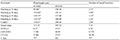
Various observations were made during the experiment on growth and yield attributes. The statistical analysis indicates that plant height was significantly affected by different dates of pinching at 45 days of observation. Control produced the plant with maximum height (138.41 cm) compared to other treatments at par with pinching at 30 DAT (124.72 cm). The minimum plant height was observed in pinching at 20 days (90.86 cm) being at par with pinching at 30 days. The mean plant height of cucumber observed at 60 DAT was statistically similar ranging from 132.125 cm to 196.675 cm (Table 1).
Similarly, the maximum number of lateral branches was observed to pinch at 20 days (5.09) followed by pinching at 25 days (3.75) (Table 1). The minimum number of lateral branches was observed at control (2.06) which was at par with pinching at 15 days (2.37) and pinching at 30 days (2.32).
|
Table 1 Effect of date of pinching on plant height (cm) and Number of lateral branches of cucumber (Cucumis sativus L. cv. Kamini) at Kawasoti, Nepal (2024) Note: Means followed by common letter(s) within column are non-significantly different based on DMRT at p=0.05; LSD: Least Significant Difference; SEM: Standard Error of Mean; CV: Coefficient of Variation; DAT: Days After Transplanting; NS: Non-Significant, *** significant at 0.1% level of significance |
Furthermore, the data achieved by pinching in total male flower, female flower, and sex ratio is shown in Table 2. The total number of male flowers was also found significant statistically. The highest number of male flowers was obtained on the control (114.75), which was statistically similar to pinching at 30 days. The lowest number of male flowers was obtained on pinching at 15 days (51.65), which was similar to pinching at 20 days and 25 days.
|
Table 2 Effect of date of pinching on male, female flower and sex ratio of Cucumber (Cucumis sativus L. cv. Kamini) at Kawasoti, Nepal (2024) Note: Means followed by common letter(s) within column are non-significantly different based on DMRT at P=0.05; LSD: Least Significant Difference; SEM: Standard Error of Mean; CV: Coefficient of Variation; DAT: Days After Transplanting; ** significant at 1% level of significance, *** significant at 0.1% level of significance |

3.2 Floral and sex expression parameters
The total number of female flowers was also found significant statistically different. Plant pinched at 20 days produced the highest number of female flowers (33.92) which was statistically at par with pinching at 15 days (27.25) and 25 days (29.32) (Table 2). The lowest number of female flowers was produced in control (15.12) which was statistically at par with pinching at 30 days (21.25). The sex ratio was also found significant statistically. The highest sex ratio was found in control (7.64) followed by pinching at 30 days (4.67). The lowest sex ratio was found in pinching at 20 days (1.64) which was statistically at par with pinching at 25 days (1.98) and pinching at 15 days (2.01).
Likewise, Table 3 displays the circumference and length of various fruits. Fruit circumference was found statistically significant. The highest fruit circumference was found in pinching at 25 days (26.43 cm) which was statistically at par with control (25.61 cm) and pinching at 30 days (23.26 cm). The lowest fruit circumference was found at pinching at 20 days (19.23 cm) which was statistically at par with pinching at 15 days (20.72 cm). The mean fruit length of cucumber was statistically similar ranging from 18.55 cm to 23.22 cm.
|
Table 3 Effect of date of pinching on fruit circumference (cm), fruit length (cm), number of fruits, fruit weight (gm) of cucumber (Cucumis sativus L. cv. Kamini) at Kawasoti, Nepal (2024) Note: Means followed by common letter(s) within column are non-significantly different based on DMRT at P=0.05; LSD, Least Significant Difference; SEM, Standard Error of Mean; CV, Coefficient of Variation; DAT, Days After Transplanting; NS, Non-Significant, * significant at 5% level of significance, *** significant at 0.1% level of significance |

It also displays the number of fruits and fruit weight (Table 3). The number of fruits per plant was found statistically significant. The maximum number of fruits was found in pinching at 20 days (13.69) followed by pinching at 15 days (9.44) which was statistically at par with pinching at 25 days (9.50) and pinching at 30 days (9.13).
Fruit weight was also found to be statistically significant. Maximum fruit weight was obtained in pinching at 20 days which was statistically at par with pinching at 15 days (570.75 gm). Minimum fruit weight was obtained in pinching at control (415.50 gm) which was statistically at par with pinching at 30 days (466.9 gm).
3.3 Yield and yield attributing parameters
Yield per plant and yield per hectare is shown in Table 4. Yield per plant was found to be statistically significant. Maximum yield was obtained in pinching at 20 days (5.7650) which was significantly at par with pinching at 15 days (5.1975). Minimum yield per plant was obtained in control (3.79), which was statistically at par with pinching at 30 days (4.25). Yields per hectare was also found to be statistically significant. Maximum yield was obtained in pinching at 20 days (46.14) which was statistically at par with pinching at 15 days. Minimum yield was obtained in control (30.54) which was statistically at par with pinching at 30 days (34.76) and pinching at 25 days (36.58).
|
Table 4 Effect of date of pinching on yield per plant (kg) and yield per hectare (mt/ha) of cucumber (Cucumis sativus L. cv. Kamini) at Kawasoti, Nepal (2024) Note: Means followed by common letter(s) within column are non-significantly different based on DMRT at P=0.05; LSD, Least Significant Difference; SEM, Standard Error of Mean; CV, Coefficient of Variation; DAT, Days After Transplanting; *** significant at 0.1% level of significance |

4 Discussion
The present study demonstrated that pinching significantly altered vegetative growth, floral sex expression, and yield components of cucumber relative to unpinched controls. Control plants attained the greatest plant height and produced the highest number of male flowers and the highest overall sex ratio, whereas pinching at 20 days after transplanting (DAT) maximized lateral branch number, female flower production, fruit weight, fruit circumference, and marketable yield per hectare. These findings collectively indicate that the timing of apical bud removal is a critical determinant of the balance between vegetative vigor and reproductive (female-biased) output in cucumber.
The reduction in plant height following pinching is consistent with the disruption of apical dominance, the process by which the growing shoot tip suppresses outgrowth of axillary buds. This regulation allows the plant flexibility to respond to environmental factors while optimizing its resources, and removal of the shoot apex alleviates the inhibition of lateral bud outgrowth. Classically, this phenomenon was attributed almost exclusively to auxin (IAA) synthesized in the apical meristem and young leaves, which is transported basipetally to suppress lateral bud activity (Vanneste and Friml, 2009). However, more recent physiological work has substantially revised this view. While apical dominance was originally thought to be mediated by auxin, recent studies highlight the importance of shoot-tip sink strength and the role of sugars in promoting branching, raising questions about the relative contributions of auxin and carbohydrate supply. Cao et al. (2023) further showed that auxin depletion after decapitation is not always the initial trigger of the rapid cytokinin increases observed in axillary buds, which instead correlate more closely with enhanced sugar availability. This suggests that the increase in lateral branching observed in the present study following pinching may reflect not only reduced apical auxin flux but also an improved carbohydrate supply to axillary buds once the assimilate-demanding apex is removed consistent with the higher fruit weight recorded in 20-DAT pinched plants, which was attributed to greater photoassimilate diversion toward lateral branches (Anand et al., 2014; Naafe, 2022).
The hormonal basis for the shift toward female flower dominance under pinching can be further explained by ethylene and gibberellin dynamics. Ethylene evolved in greater quantities from female floral buds than from male ones, and its endogenous production is understood to promote femaleness in cucumber. In cucumber, ethylene and auxin mediate feminization, whereas gibberellins induce masculinization, a pattern also confirmed in later transcriptomic work. Genes associated with hormone transduction and synthesis including ethylene, which promotes femaleness, and gibberellin, which promotes maleness have been identified as differentially expressed between male and female cucumber tissues, and exogenous gibberellin has been shown to inhibit ethylene biosynthesis by suppressing expression of the ethylene-synthesis gene CsACS1G. This antagonism helps explain why control (unpinched) plants, which retained an intact, actively growing apex and higher endogenous gibberellin-associated activity in the main stem, produced disproportionately more male flowers, while pinching-induced lateral branches likely characterized by a more favorable ethylene-to-gibberellin balance produced a higher proportion of female flowers. This is mechanistically consistent with earlier transcriptomic evidence that gibberellin regulates cucumber sex expression via both ethylene-dependent and ethylene-independent pathways, with GA-induced ethylene synthesis genes and ethylene receptors implicated in male flower formation. Cytokinin also appears relevant to this process: in species such as maize and melon, ethylene, auxins, and cytokinins jointly promote female flower formation, aligning with the observation that pinching-related increases in cytokinin activity in released axillary buds may simultaneously stimulate branch outgrowth and reinforce a feminizing hormonal environment. Because fruit length was statistically unaffected by pinching treatment, this parameter appears to be under stronger genetic than hormonal-environmental control, whereas fruit circumference and fruit-per-hectare yield both influenced by carbohydrate allocation and cell division rate responded more directly to the source–sink changes induced by pinching.
The present results are broadly consistent with earlier reports on cucurbit pinching. The suppression of apical dominance and consequent increase in plant bushiness align with the findings of Ghosh et al. (2011), while the reduction in main-stem height following early apical removal corroborates Chaurasiya et al. (2020). The increase in lateral branch number under pinching supports the branching-control framework described by Rafeekhar et al. (2001) and the broader physiological model of apical dominance release described in recent reviews. As synthesized in a century of apical dominance research, auxin was long considered the master regulator acting through secondary messengers such as cytokinin, though this view has since been refined through genetic and multidisciplinary approaches. The reduction in male flower number under pinching corresponds with Kandel and Sah (2023), who reported that removal of lower primary branches reduced overall male flower output, while the increase in female flowers and reduction in sex ratio under pinching mirror the findings of Chapagain et al. (2022) regarding pinching-induced promotion of third-generation, female-biased branches. Similarly, the increase in fruit weight and yield under early pinching is consistent with Nayak et al. (2018), who found that earlier pinching stimulated greater branch number, fruit set, and photosynthate accumulation. The lack of effect on fruit length agrees with Thakur et al. (2018). Notably, a recent comprehensive review of pinching across cucurbitaceous crops reinforces the mechanistic interpretation offered here: by modulating auxin distribution, cytokinin levels, and carbohydrate partitioning, pinching influences apical dominance, lateral shoot growth, and reproductive organ development, supporting the integrated hormonal–physiological explanation proposed in this study rather than a single-hormone account.
Maximum plant height was found in control. It might be due to the free growing of shoots in control conditions. Plant height was affected by pinching as it suppresses apical dominance and makes the plant bushy. It might be related to the flow of auxin in the plants, the synthesis of auxin on the shoot of the main stem is stopped due to the shoot pinching, while the synthesis of cytokinin increases and further affect plant growth. Ghosh et al. (2011) reported that pinching suppresses apical dominance. Earlier pinching of the plant might be the reason for an increase in height of lateral stems and the earlier growth of the primary stem might be the reason for increasing height in case of pinching at 25 DAT and 30 DAT. Growth of lateral stem could be the possible reason for the increase in plant height at 65 DAT. The possible reason behind the reduced height of plants might be removal of the apical portion which promotes the growth of the secondary branch, observed (Chaurasiya et al., 2020). The apical meristem and the young leaves are the centers of TAA and IAA (Indole Acetic Acid) synthesis which are then transported to the stems thus inhibiting the development of lateral shoots. IAA is one type of auxin that causes apical dominance. IAA is a trigger for change in plant development (Vanneste and Friml, 2009).
5 Conclusion and Recommendation for Future Research
Pinching of plants influenced the growth, flowering pattern, and yield of cucumber. In general plant height increases with an increase in the time of pinching initially but has no effect on the later stage of observation. Pinching influenced the growth of stems, branches, and female flowers significantly. Generally, yield character was high in plants treated with pinching compared to those plants that were not pinched. The number of fruits per plant corresponds to a number of branches on the plant and the fruit weight gained. The total yield per plant and yield per hectare increased with pinching treatment. Results from this study suggest that small landholder farmer can pinch their plants to encourage a lower pinch sex ratio and higher yield. Indeed, the farmer can their plants at 20 DAT to attain maximum female flowers and hence more fruits.
Farmers are suggested and recommended to follow an appropriate time of pinching for increasing yield. Further studies with other pinching methods can be conducted to see their effect on plants. The varietal parameter should be considered for another research. This research was carried out in only one season and at only one location. So, this experiment should be further verified by conducting similar research at different locations.
Authors’ contributions
AP carried out the conceptualization of research, designed the experiment and drafted the manuscript. AP participated in the design of the study and helped in data collection. AP helped in data analysis and helped to draft the manuscript. BS helped to draft the manuscript and supervision of the research. All authors read and approved the final manuscript.
Acknowledgment
The authors are thankful towards Agriculture and Forestry University, Nepal and PMAMP Nawalparasi East for providing this platform.
Conflict of Interest Disclosure
The authors affirm that this research was conducted without any commercial or financial relationships that could be construed as a potential conflict of interest.
Anand M., Rohini N., and Sadasakthi A., 2014, Influence of training and pinching on growth, flowering and physiological characters in bottle gourd cv. CBgH1, Trends in Biosciences, 7(17): 2524-2527.
Bhowmick B.K., and Jha S., 2015, Dynamics of sex expression and chromosome diversity in Cucurbitaceae: A story in the making, Journal of Genetics, 94(4): 793-808.
https://doi.org/10.1007/s12041-015-0562-5
Cao D., Chabikwa T., Barbier F., Dun E.A., Fichtner F., Dong L., Kerr S.C., and Beveridge C.A., 2023, Auxin-independent effects of apical dominance induce changes in phytohormones correlated with bud outgrowth, Plant Physiology, 192(2): 1420-1434.
https://academic.oup.com/plphys/article/192/2/1420/6998600
Chapagain U., Bhandari S., Shrestha Y.M., Bista S., and Dahal J., 2022, Effect of pruning and fertilizers on growth, flowering and yield of cucumber (Cucumis sativus L.) under protected structure in Panchthar, Nepal, International Journal of Applied Sciences and Biotechnology, 10(3): 171-181.
https://doi.org/10.3126/ijasbt.v10i3.47521
Chaurasiya D.K., Kumar M., Sahni S., and Singh S., 2020, 3G cutting: A wonderful technique to redouble the production of cucurbits, Biotica Research Today, 2(12): 1308-1310.
Ghosh A., Chikara J., and Chaudhary D., 2011, Diminution of economic yield as affected by pruning and chemical manipulation of Jatropha curcas L., Biomass and Bioenergy, 35(3): 1021-1029.
https://doi.org/10.1016/j.biombioe.2010.11.019
Kandel R., and Sah S.K., 2023, Performance of grafted bitter gourd (Momordica charantia L.) at different pruning and nitrogen levels in Nawalparasi East, Nepal, Nepalese Horticulture, 17(1): 22-30.
https://doi.org/10.3126/nh.v17i1.60626
Li D., Sheng Y., Niu H., and Li Z., 2019, Gene interactions regulating sex determination in cucurbits, Frontiers in Plant Science, 10: 1231.
https://doi.org/10.3389/fpls.2019.01231
MoALD, 2024/25, Statistical information on Nepalese agriculture, Agriculture Ministry of Nepal.
Mukherjee P.K., Nema N.K., Maity N., and Sarkar B.K., 2013, Phytochemical and therapeutic potential of cucumber, Fitoterapia, 84: 227-236.
https://doi.org/10.1016/j.fitote.2012.10.003
Naafe M., Nabi G., Irshad M., Khan M.N., Ali S., and Hayat R., 2022, Influences of pinching on growth and yield of bottle gourd (Lagenaria siceraria), Pure and Applied Biology, 11(4): 891-901.
Rafeekher M., Nair S.A., Sorte P.N., Hatwar G.P., and Chandan P.M., 2002, Effect of growth regulators on growth and yield of summer cucumber, Journal of Soils and Crops, pp.108-110.
Rajput V., Abhishek Kumar J., and Tomar S., 2020, Effect of pinching and spacing on growth parameters of African marigold (Tagetes erecta L.), Plant Archives, 20: 533-537.
Schaller G.E., Bishopp A., and Kieber J.J., 2015, The Yin-Yang of hormones: Cytokinin and auxin interactions in plant development, The Plant Cell, 27(1): 44-63.
https://doi.org/10.1105/tpc.114.133595
Thakur O., Kumar V., and Singh J., 2018, A review on advances in pruning to vegetable crops, International Journal of Current Microbiology and Applied Sciences, 7(2): 3556-3565.
https://doi.org/10.20546/ijcmas.2018.702.422
Vanneste S., and Friml J., 2009, Auxin: A trigger for change in plant development, Cell, 136(6): 1005-1016.
https://doi.org/10.1016/j.cell.2009.03.001



. PDF(247KB)
. FPDF(win)
. FPDF(mac)
. HTML
. Online fPDF
Associated material
. Readers' comments
Other articles by authors
. Anil Poudel

. Aakriti Pyakurel
. Bishal Shrestha
Related articles
. Cucumber ( Cucumis sativus L.)
. Pinching
. Lateral branches
. Apical dominance
Tools
. Email to a friend
. Post a comment