Research Article
Optimizing Root and Shoot Development in Dragon Fruit Using Plant Growth Hormones under Polyhouse Conditions at NARC Tarahara, Nepal 
 ,
Puspa Kumari Mandal1 ,
Samjhana Karki1 ,
Manisha Chaudhary1 ,
Sushma Neupane1
 ,
Reshma Dhakal1 ,
Sunny Kumar Shah2
2 Department of Horticultural Science, Faculty of Science and Technology, Girija Prasad Koirala College of Agriculture and Research Center (GPCAR), Purbanchal University, Gothgaun, Morang, 56600, Nepal
Author Correspondence author
International Journal of Horticulture, 2025, Vol. 15, No. 6 doi: 10.5376/ijh.2025.15.0028
Received: 07 Jul., 2025 Accepted: 15 Oct., 2025 Published: 27 Nov., 2025
Shrestha R., Mandal P.K., Karki S., Chardhary M., Neupane S., Dhakal R., and Shah S.K., 2025, Optimizing root and shoot development in dragon fruit using plant growth hormones under polyhouse conditions at NARC Tarahara, Nepal, International Journal of Horticulture, 15(6): 279-289 (doi: 10.5376/ijh.2025.15.0028)
Dragon fruit (Hylocereus spp.) is gaining popularity in Nepal’s subtropical regions due to its high nutritional value and increasing market demand. However, its expansion is hindered by poor rooting efficiency and the absence of standardized propagation techniques, particularly regarding the use of growth hormones in cuttings. To address this limitation, a study was conducted from March to June 2024 to assess the influence of different plant growth hormones on rooting and vegetative growth of red-skinned, white-fleshed dragon fruit cuttings. The experiment followed a Completely Randomized Design (CRD) with six treatments: IBA 7,500 PPM, IBA 6,500 PPM, NAA 200 PPM, NAA 400 PPM, IBA 400 PPM + NAA 200 PPM, and a control, each replicated four times. Cuttings were established in polybags filled with a 1:1:1 mixture of sand, soil, and farmyard manure. Data were collected at 30, 60, and 90 days after planting on shoot and root emergence, number and length of shoots and roots, and shoot/root diameter. Results showed that the combination of IBA 400 + NAA 200 PPM was the most effective treatment, producing the earliest root emergence (23.25 days), the longest shoots (30.07 cm), the thickest shoots (20.7 mm), the longest roots (18.82 cm), and a competitive root diameter (1.66 mm). IBA 7,500 PPM also performed strongly, especially in root traits, with the highest root number (20.22) and maximum root diameter (1.78 mm), while IBA 6,500 PPM showed moderate effects. In contrast, the control consistently recorded the poorest performance across all traits, confirming the critical role of growth hormones in enhancing dragon fruit propagation.
1 Introduction
Dragon fruit, also known as pitaya or pitahaya, is a semi-epiphytic climbing cactus belonging to the Cactaceae family (Ahmad et al., 2016; Sujata et al., 2022). Native to Central and South America, it is widely cultivated in tropical and subtropical regions, especially in Vietnam, Thailand, Malaysia, and Israel. Its increasing popularity is attributed to its unique appearance, high antioxidant content, and numerous health benefits. Rich in vitamins C and B, minerals, phytoalbumins, and fiber, the fruit is known to reduce the risk of oxidative stress-related disorders, including diabetes, cardiovascular diseases, and hypertension (Yadav et al., 2024). These functional properties make dragon fruit a promising agricultural commodity with growing global demand. Nepal, with its diverse agro-climatic zones ranging from tropical to subtropical regions, presents favorable conditions for dragon fruit cultivation, particularly in the Terai and mid-hill areas up to 1,500 meters above sea level. Dragon fruit thrives in regions with annual temperatures between 20 °C-30 °C and rainfall ranging from 500-1,500 mm. Although commercial cultivation is still in its early stages, interest among Nepalese farmers is steadily increasing (Yadav et al., 2011). Initial cultivation began in Kavre district with the white-fleshed variety introduced from Vietnam, and red-fleshed types are now gaining traction due to higher consumer appeal and market value.
Propagation is a critical component of successful dragon fruit farming. While the fruit can be propagated through seeds, stem cuttings, or grafting, stem cuttings are widely preferred in commercial production due to their ability to produce genetically uniform plants that establish and bear fruit faster—typically within 12 to 18 months (Kari et al., 2010; Khan et al., 2020). Seed propagation, although simple, leads to genetic variability and delayed fruiting, while grafting is labor-intensive and requires technical expertise (Andrade et al., 2005). However, propagation through stem cuttings is not without challenges. Many cultivars, particularly Hylocereus undatus, exhibit slow or poor root development without external rooting stimulants (Ali et al., 2022). To overcome these propagation constraints, the application of plant growth regulators (PGRs), especially auxins like Indole-3-butyric acid (IBA) and Naphthaleneacetic acid (NAA), has proven effective (Bagheri et al., 2013). Auxins stimulate cell elongation and division, promoting early root initiation and improving rooting percentage in cuttings. Several studies have confirmed the significant role of IBA and NAA in enhancing root development, shoot emergence, and overall plant vigor in dragon fruit (Bajwa et al., 1997). However, high concentrations of auxins—sometimes exceeding 6,000 ppm—can have inhibitory or toxic effects (Bhatt et al., 2010). Therefore, determining optimal and location-specific dosages is crucial for maximizing benefits without damaging the cuttings (Blakesley et al., 1991). In Nepal, research has begun to focus on low-cost, eco-friendly alternatives to synthetic hormones. For instance, aloe vera gel has shown potential as a natural rooting agent due to its bioactive compounds that promote cell division and reduce microbial infections at the cutting site (Chhetri et al., 2021). Combining organic biostimulants with auxins may enhance rooting performance while maintaining environmental sustainability and affordability for smallholder farmers. Modern agricultural techniques, such as precision farming and controlled environment agriculture, offer additional opportunities for integrating growth hormone applications (Sujata et al., 2022). Precision farming allows for site-specific hormone delivery, minimizing waste and maximizing effectiveness. In vertical farming systems or greenhouse settings, regulated temperature, humidity, and light conditions can further improve rooting success and overall plant health when combined with hormonal treatments (Yadav et al., 2024).
Despite these promising developments, several challenges continue to affect dragon fruit cultivation in Nepal (Yadav et al, 2011). Pests such as aphids, mites, and mealybugs, and fungal diseases like anthracnose and stem rot, pose significant threats to yield and plant health. Moreover, inconsistent water availability during dry seasons and poor soil fertility are common constraints (Yadav et al., 2024). Addressing these issues through integrated pest management (IPM), improved irrigation infrastructure, and soil nutrient management is essential for sustaining productivity. Government support, training programs, and agricultural extension services have begun to promote dragon fruit as a commercial crop (Uddin et al., 2020). Farmers are increasingly adopting improved propagation methods, post-harvest handling techniques, and market linkages to enhance profitability. With continued research and the integration of innovative practices, Nepal can strengthen its position as a competitive player in the regional dragon fruit market (Chhetri et al., 2021). Looking ahead, future efforts should prioritize refining hormone formulations to be cost-effective and environmentally safe. Investigating the genetic basis of hormone response in different dragon fruit cultivars can provide insights for breeding more adaptable and productive varieties. The synergistic use of growth regulators with natural biostimulants, coupled with sustainable farming practices, has the potential to transform dragon fruit cultivation into a high-yielding, eco-friendly, and economically rewarding enterprise for Nepalese farmers (Sujata et al., 2016).
This study is to evaluate the effects of different growth hormones on the propagation success and subsequent growth performance of dragon fruit (Hylocereus spp.) cuttings. The findings are significant for Nepalese agriculture as they can improve propagation efficiency, support farmer adoption of dragon fruit as a high-value crop and enhance income generation through diversification and sustainable cultivation practices.
2 Materials and Methods
2.1 Experimental site
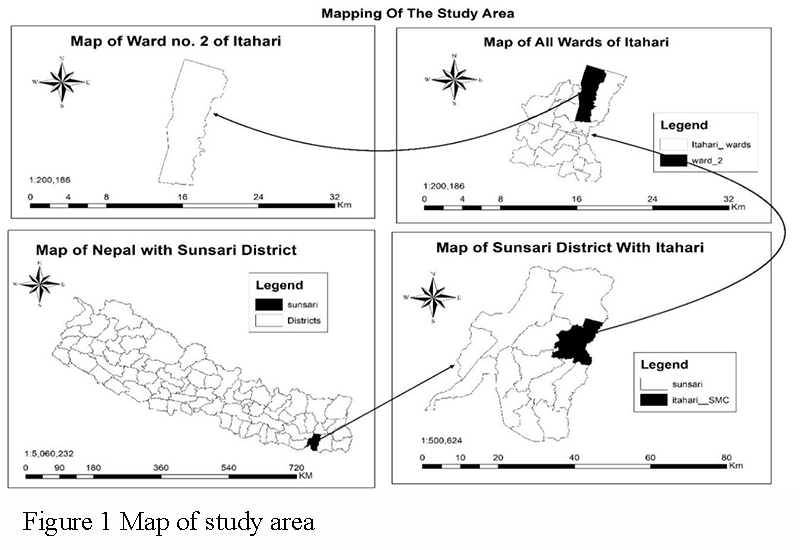
The experiment was conducted from March 2024 to June 2024 in a polyhouse of the Department of Horticulture, Nepal Agricultural Research Council (NARC), Tarahara, Sunsari, Nepal. The site lies at an altitude of about 125-130 meters above sea level, with geographical coordinates of 26°42’17.4"N latitude and 87°16’43.9"E longitude (Figure 1). The region has a subtropical climate, and during the study period, it received an average rainfall of 481.9 mm. The maximum and minimum recorded temperatures were 38.7 °C and 11 °C, respectively, with moderately high humidity levels that favored the growth and propagation of dragon fruit cuttings.
|
Figure 1 Map of study area |
2.2 Plant materials
The study utilized Georges white dragon fruit variety, obtained from the Nepal Agricultural Research Council (NARC) located in Tarahara, Sunsari, Nepal. The Georges White dragon fruit is a variety of (Hylocereus undatus), known for its large, oval-shaped fruit with white flesh and a mild, sweet flavor. The fruit typically has pink or red skin with green scales and weighs around 400-700 grams. This variety is prized for its juiciness and refreshing taste, often described as a blend of pear and kiwi. Georges White is also relatively easy to grow, with strong, vigorous vines that produce fruit in about 1-2 years. It's a popular choice among home gardeners and commercial growers for its high yield and attractive appearance. Treatment details are given in Table 1.
|
Table 1 Treatments details along with their doses |

2.3 Experimental setup and cultural practices
The study utilized completely randomized design (CRD) with six different hormonal treatments and four replications. The six different treatments include IBA-7,500 PPM, IBA-6,500 PPM, NAA-200 PPM, NAA-400 PPM, IBA-400 PPM + NAA-200 PPM, and Control group. There were altogether twenty-four study plots each containing 20 polybags. Therefore, there were total 480 polybag filled with sand, soil and FYM in 1:1:1 ratio. Each polythene bag (20 cm long and 11 cm wide) was filled to three-quarters capacity with the soil mixture. Before planting shoot cuttings of dragon fruit in this poly bag, these all cuttings were dipped in the above-mentioned treatments. After these cuttings were treated with these treatments, these cuttings were planted in polybag in their own study plot separately. In the evenings, water was sprayed over the cuttings. After two months of planting, the potted plants were given a top dressing. Irrigation and weeding were done on a weekly basis.
2.4 Data Collection and observations
After planting cuttings were examined and the following observation were recorded at 30, 60, and 90 days after planting for several growth parameters. The observation was done on days taken for shoot and root initiation, average number of shoots per cuttings, shoot length, shoot diameter, average number of roots per cutting, average length of root, root diameter, and raw data were taken on these observations. The length (cm) was measured using scale whereas diameter (mm) was measured using vernier caliper.
2.5 Statistical analysis
The data were meticulously organized in chronological order to replicate treatment blocks within Microsoft Excel (version 2021). Subsequently, ANOVA was conducted utilizing R-Studio statistical software (version 4.2.3) to evaluate the principal growth attributes of the fruit. Duncan's Multiple Range Test (DMRT) was employed to compare mean values among various treatments at a significant level of 5%.
3 Results and Analysis
3.1 Effects of growth hormones on shoot and root emergence
The results show that the application of growth hormones significantly influenced both shoot and root emergence, with days to first shoot emergence differing highly significantly among treatments (p ≤ 0.001) (Table 2). The earliest shoot emergence was observed with NAA-400 PPM (14.25 days), followed by NAA-200 PPM (16.25 days) and IBA-400 PPM + NAA-200 PPM (16.50 days), which were statistically similar. On the other hand, the control treatment showed the longest duration for shoot emergence (24.00 days), whereas the overall mean across treatments was 18.75 days. For days to first root emergence, the differences among treatments were significant at the 1% level (p ≤ 0.01). The earliest root emergence occurred in IBA-400 PPM + NAA-200 PPM (23.25 days), which was significantly earlier than most treatments and closely followed by IBA-7,500 PPM (25.25 days), IBA-6,500 PPM (26.00 days), and NAA-400 PPM (27.50 days). In contrast, the control treatment took the maximum time (32.75 days) for root initiation. The overall mean across treatments was 27.37 days. Taken together, the combination of IBA-400 PPM + NAA-200 PPM proved to be the most effective treatment, ensuring both early shoot and root emergence compared to other treatments.
|
Table 2 Effects of growth hormones on shoot and root emergence Note: ***Significant at 0.1 % level of significance, **Significant at 1% level of significance, *Significant at 5 % level of significance., DAP: Day After Planting, CV: Coefficient of variance, SEM: standard error mean |

3.2 Effect of growth hormones on average number of shoots per cutting
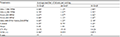
The data reveal that hormone application significantly enhanced shoot proliferation compared to the control across all observation periods (Table 3). At 30 DAP, the highest number of shoots (0.85) was recorded in the IBA 400 + NAA 200 PPM treatment, which was statistically at par with other hormone treatments but significantly higher than the control (0.35). At 60 DAP, IBA 7,500 PPM and IBA 400 PPM + NAA 200 PPM showed the highest shoot numbers (1.25), significantly surpassing the control (0.70) and NAA 200 PPM (1.07), while IBA 6,500 PPM and NAA 400 PPM had intermediate effects. By 90 DAP, IBA 400 PPM + NAA 200 PPM again recorded the highest shoot count (2.10), followed by IBA 7,500 PPM (2.05) and IBA 6,500 PPM (1.95), all significantly greater than the control (1.25). The CV values ranged from 24.31% at 30 DAP to 14.26% at 90 DAP, indicating reduced variability over time. The SEM values were ±0.047, ±0.055, and ±0.075 for 30, 60, and 90 DAP, respectively. The F-test showed significant differences at the 1% level (**) at 30 and 90 DAP and at the 5% level (*) at 60 DAP. These findings confirm that the use of growth hormones, particularly the combination of IBA 400 + NAA 200 PPM, significantly enhances shoot multiplication in dragon fruit cuttings over time.
|
Table 3 Effect of growth hormones on average number of shoots per cutting Note: ***Significant at 0.1 % level of significance, **Significant at 1% level of significance, *Significant at 5 % level of significance., DAP: Day After Planting, CV: Coefficient of variance, SEM: standard error mean |
3.3 Effect of growth hormones on length of shoots per cutting
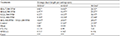
The results reveal highly significant differences (***) among treatments at all three-time intervals (Table 4). At 30 DAP, the longest shoots were observed in the IBA 400 PPM + NAA 200 PPM treatment (10.07 cm), followed by NAA 400 PPM (9.30 cm), both significantly superior to the control (5.65 cm). Similar trends were recorded at 60 and 90 DAP, where IBA 400 PPM + NAA 200 PPM maintained the highest shoot lengths (20.07 cm and 30.07 cm, respectively), followed by NAA 400 PPM (19.30 cm and 27.60 cm), indicating a strong synergistic effect of combined hormones. In contrast, the control consistently exhibited the shortest shoot lengths (15.65 cm at 60 DAP and 23.95 cm at 90 DAP). The CV percentages decreased over time (11.19% at 30 DAP to 3.41% at 90 DAP), indicating increasing uniformity in treatment responses with time. The standard error of mean (SEM) values remained low and stable across all intervals (±0.337 to ±0.356), further supporting the reliability of the results. These findings demonstrate that the application of IBA 400 PPM + NAA 200 PPM most effectively promotes shoot elongation in dragon fruit cuttings throughout the observation period.
|
Table 4 Effect of growth hormones on length of shoots per cutting Note: ***Significant at 0.1 % level of significance, **Significant at 1% level of significance, *Significant at 5 % level of significance., DAP: Day After Planting, CV: Coefficient of variance, SEM: standard error mean |
3.4 Effect of growth hormones on diameter of shoots per cutting
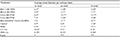
Significant variations were observed among the treatments, with the F-test indicating statistical significance at the 5% level at 30 DAP and at the 0.1% level at both 60 and 90 DAP (Table 5). The combined treatment of IBA 400 PPM + NAA 200 PPM consistently resulted in the thickest shoots across all stages, recording 7.8 mm at 30 DAP, 15.7 mm at 60 DAP, and 20.7 mm at 90 DAP. This was closely followed by NAA 400 PPM, which also promoted considerable stem thickening (7.3 mm, 14.8 mm, and 19.8 mm at respective intervals). Meanwhile, the control treatment showed the lowest shoot diameter values, particularly at 60 and 90 DAP (8.4 mm and 13.4 mm), clearly reflecting the advantage of hormone application. Intermediate performance was noted for treatments such as IBA 7,500 PPM and NAA 200 PPM. The coefficient of variation (CV) showed a decreasing trend from 19.07% to 6.79%, suggesting more consistent treatment effects over time. SEM values ranged between ±0.293 and ±0.545, supporting the reliability of the measurements. Overall, these results affirm that shoot diameter development in dragon fruit is significantly enhanced by the application of growth hormones, especially the IBA 400 PPM + NAA 200 PPM combination.
|
Table 5 Effect of growth hormones on diameter of shoots per cutting Note: ***Significant at 0.1 % level of significance, **Significant at 1% level of significance, *Significant at 5 % level of significance., DAP: Day After Planting, CV: Coefficient of variance, SEM: standard error mean |
3.5 Effect of growth hormones on average number of roots per cutting
The results demonstrate highly significant differences (***) among treatments at all observation intervals (Table 6). At 30 DAP, the highest number of roots was observed in the IBA 7,500 PPM treatment (9.72), followed closely by IBA 400 PPM + NAA 200 PPM (8.80) and IBA 6,500 PPM (8.40), all of which were significantly superior to the control (3.47). Similar trends continued at 60 and 90 DAP, with IBA 7,500 PPM maintaining the highest root count (14.72 and 20.22, respectively), while the combination of IBA 400 PPM + NAA 200 PPM also performed well (13.70 and 19.20). In contrast, the control consistently produced the fewest roots at all time points, indicating limited rooting without hormonal support. NAA treatments (200 and 400 PPM) showed moderate effectiveness but were significantly less productive than IBA-based treatments. The coefficient of variation (CV) declined over time from 15.16% at 30 DAP to 6.89% at 90 DAP, indicating increasing consistency in root development among treatments. Standard error of mean (SEM) ranged from ±0.474 to ±0.708. Overall, these findings clearly show that the application of rooting hormones, particularly IBA 7500 PPM and the IBA 400 PPM + NAA 200 PPM combination, significantly improves root proliferation in dragon fruit cuttings over time.
|
Table 6 Effect of growth hormones on average number of roots per cutting Note: ***Significant at 0.1 % level of significance, **Significant at 1% level of significance, *Significant at 5 % level of significance., DAP: Day After Planting, CV: Coefficient of variance, SEM: standard error mean |
3.6 Effect of growth hormones on length of roots per cutting
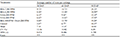
The analysis shows highly significant differences (*** at 0.1% level) among the treatments at all three stages (Table 7). At 30 DAP, the longest roots were recorded in the IBA 400 PPM + NAA 200 PPM treatment (7.82 cm), followed by IBA 7,500 PPM (6.82 cm), while the shortest root length was observed in the control (4.02 cm). This trend continued through 60 and 90 DAP, with IBA 400 PPM + NAA 200 PPM consistently achieving the longest root lengths (12.82 cm and 18.82 cm, respectively). The IBA 7,500 PPM and IBA 6,500 PPM treatments also performed well, significantly outperforming the control. NAA treatments (200 PPM and 400 PPM) showed moderate root elongation, while the control remained significantly inferior throughout, with the lowest root length of 12.62 cm at 90 DAP. The coefficient of variation (CV) declined from 15.09% at 30 DAP to 5.81% at 90 DAP, reflecting increased uniformity in treatment responses over time. SEM values were relatively low (±0.311 to ±0.462), indicating consistency in measurements. Overall, the results confirm that hormone treatments, particularly the combination of IBA 400 PPM + NAA 200 PPM, markedly promote root elongation in dragon fruit cuttings.
|
Table 7 Effect of growth hormones on length of roots per cutting Note: ***Significant at 0.1 % level of significance, **Significant at 1% level of significance, *Significant at 5 % level of significance., DAP: Day After Planting, CV: Coefficient of variance, SEM: standard error mean |
3.7 Effect of growth hormones on diameter of roots per cutting
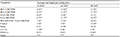
The data show highly significant differences (*** at 0.1% level) among treatments at all time intervals (Table 8). At 30 DAP, the highest root diameter was observed in IBA 400 PPM + NAA 200 PPM (0.62 mm), followed by IBA 7,500 PPM (0.56 mm), while the lowest was recorded in the control (0.09 mm), indicating a strong positive response to hormonal treatment. Similar trends persisted through 60 and 90 DAP, with IBA 400 PPM + NAA 200 PPM and IBA 7,500 PPM continuing to outperform other treatments. At 90 DAP, IBA 7,500 PPM and IBA 6500 PPM recorded the thickest roots (1.78 mm and 1.75 mm, respectively), statistically at par with IBA 400 PPM + NAA 200 PPM (1.66 mm), while NAA treatments showed moderate effectiveness. The control exhibited the smallest root diameter (0.60 mm at 90 DAP), highlighting its limited ability to enhance root girth. The coefficient of variation (CV) decreased from 17.02% at 30 DAP to 5.79% at 90 DAP, suggesting improved uniformity among replicates over time. Standard error of mean (SEM) values remained low across all intervals (±0.039 to ±0.090), supporting the reliability of the results. In summary, the application of growth hormones—especially the combination of IBA 400 PPM + NAA 200 PPM—significantly enhanced root diameter development in dragon fruit cuttings compared to untreated controls.
|
Table 8 Effect of growth hormones on diameter of roots per cutting Note: ***Significant at 0.1 % level of significance, **Significant at 1% level of significance, *Significant at 5 % level of significance., DAP: Day After Planting, CV: Coefficient of variance, SEM: standard error mean |

4 Discussion
The present study demonstrates that auxin-based growth hormones, particularly IBA and NAA, play a crucial role in regulating shoot and root development in dragon fruit cuttings. The effectiveness of these hormones can be attributed to their regulatory role in cell division, elongation, and differentiation, which directly influence adventitious rooting and vegetative growth. Indole-3-butyric acid (IBA) is well known for stimulating root initiation by enhancing the activity of root meristematic cells and increasing carbohydrate mobilization toward rooting sites, while α-naphthaleneacetic acid (NAA) promotes both shoot and root initiation but is generally more effective in stimulating shoot proliferation and lateral root development (Sharma et al., 2020; Karakas et al., 2019). The synergistic use of IBA and NAA, as observed in this study, suggests that their complementary roles—IBA in root primordia development and NAA in enhancing shoot elongation and branching—create a balanced physiological environment for efficient propagation. This synergy may be due to the ability of auxins to act at different stages of root and shoot initiation: IBA acts as a stronger inducer of root initials, whereas NAA enhances the elongation phase and stabilizes lateral root formation.
These findings are consistent with recent studies in other horticultural crops where auxins significantly improved vegetative propagation. For instance, Choudhary et al. (2021) reported that IBA treatments enhanced rooting in pomegranate stem cuttings, while Singh et al. (2022) observed synergistic effects of IBA and NAA in guava cuttings. Similar responses have been documented in kiwi (Wang et al., 2021), dragon fruit (Ali et al., 2020), and passion fruit (Silva et al., 2022), where auxin application improved both rooting percentage and root system architecture. Auxins not only initiate root primordia but also influence hormonal crosstalk with cytokinins and ethylene, thereby regulating the balance between root and shoot emergence (Li et al., 2021). This interaction is crucial, as excessive auxin without proper hormonal balance can result in callus formation rather than organized roots. The differences in hormone performance can further be explained by their concentration-dependent effects.
High concentrations of IBA enhance root elongation and thickness due to increased lignification, vascular differentiation, and secondary growth of root tissues (Mahajan et al., 2020). In contrast, moderate concentrations of NAA stimulate shoot emergence by promoting apical dominance, strengthening auxin transport, and enhancing the supply of assimilates to emerging shoots (Kumar et al., 2019). These differential responses indicate that optimum concentration and type of auxin are critical for maximizing propagation success. The slower performance of untreated cuttings reflects the natural limitation of auxin biosynthesis in dragon fruit, which may not be sufficient to trigger rapid adventitious root and shoot formation.
Moreover, endogenous auxins in cuttings degrade rapidly after detachment from the mother plant, leading to reduced rooting ability. This supports the view of Hussain et al. (2023) that exogenous hormone application compensates for endogenous auxin deficiencies in vegetative propagation systems, thereby standardizing and accelerating the rooting process. Environmental factors, such as temperature, humidity, and light intensity in the polyhouse, may have also contributed to the effectiveness of hormone treatments by providing favorable conditions for hormone activity, enzymatic functions, and carbohydrate mobilization. The superiority of combined IBA and NAA treatments observed in this study reflects the importance of synergistic auxin action in non-traditional fruit crops. Such integration has also been noted in recent works on mulberry (Das et al., 2020), fig (Reddy et al., 2021), and citrus (Zhang et al., 2023), where auxin combinations enhanced both rooting efficiency and subsequent vegetative vigor. The physiological explanation may lie in the complementary enhancement of both root and shoot sinks: IBA efficiently directs photosynthates and hormones toward root initials, while NAA simultaneously promotes shoot elongation and branching, resulting in overall better establishment of cuttings. Furthermore, auxin-mediated improvements in shoot and root parameters contribute to better nutrient and water absorption, enhanced survival rates, and long-term plant vigor, all of which are critical for successful orchard establishment.
Overall, the findings highlight that optimizing exogenous auxin treatments, particularly the IBA-NAA combination, provides a sustainable and efficient strategy for large-scale dragon fruit propagation. This is particularly relevant in the Nepalese context, where dragon fruit is emerging as a high-value crop with increasing consumer demand. Adoption of these practices can improve propagation success, reduce farmer risk, lower dependency on imported planting materials, and promote diversification of fruit-based farming systems. Additionally, the ability to propagate healthy, uniform plants at scale will help farmers meet market demand, increase profitability, and contribute to the commercialization of dragon fruit as a viable agribusiness enterprise in Nepal.
5 Conclusion
This study successfully addressed the propagation challenges of dragon fruit (Hylocereus spp.) by evaluating the effects of different growth hormones on rooting and vegetative growth. Results showed that the combined application of Indole-3-butyric acid (IBA) at 400 PPM and α-Naphthaleneacetic acid (NAA) at 200 PPM was the most effective treatment, producing the highest number of roots, longest root and shoot lengths, largest shoot diameters, and earlier root and shoot emergence. In contrast, higher concentrations of IBA alone (7,500 PPM) performed particularly well in increasing root diameter and biomass but were less effective than the IBA + NAA combination in terms of root length and root number. Treatments with NAA alone also enhanced root and shoot development but were comparatively less effective than the combined application. The control group consistently showed the poorest performance, highlighting the importance of exogenous hormone application. Overall, the findings suggest that while IBA enhances root diameter, the synergistic effect of IBA and NAA optimizes rooting success, shoot development, and overall cutting performance. The use of IBA 400 PPM + NAA 200 PPM can therefore be recommended as a reliable strategy for improving uniformity and propagation efficiency in commercial dragon fruit cultivation, contributing valuable insights for sustainable horticultural practices.
Authors’ contributions
SN conducted the conceptualization, methodology design, software implementation and data curation, carried out the formal analysis and investigation, prepared the original draft, and contributed to manuscript review and editing as well as visualization. RS, PKM, SK and MC contributed to the preparation of the original draft and participated in manuscript review and editing. MC also contributed to visualization, software implementation and methodological development. RD participated in visualization, software implementation and methodological design, carried out the original draft preparation, and contributed to manuscript review and editing. SKS performed the validation and contributed to the investigation. All authors read and approved the final manuscript.
Ahmad H., Mirana A. S., Mahbuba S., Tareq S. M., and Uddin A. J., 2016, Performance of IBA concentrations for rooting of dragon fruit (Hylocereus undatus) stem cuttings, Int. J. Bus. Soc. Sci. Res., 4(4): 231-234.
Ali M., Hasan M., Rahman M., and Sarker B., 2020, Influence of plant growth regulators on vegetative propagation of dragon fruit (Hylocereus undatus), Int. J. Hortic. Sci. Technol., 7(3): 267-276.
https://doi.org/10.22059/ijhst.2020.290031.323
Ali S. I., Kumar T. S., Kumar A. K., Joshi V., and Kumar B. N., 2022, Studies on effect of different concentrations of IBA and length of cuttings on rooting and shoot growth performance in dragon fruit Hylocereus spp. - red flesh with pink skin under Telangana conditions, Pharma Innov. J., 11(3): 738-743.
Andrade R. A. de, Oliveira I. V. de M., and Martins A. B. G., 2005, Influence of condition and storage period in germination of red pitaya seeds, Rev. Bras. Frutic., 27(1): 168-170.
https://doi.org/10.1590/S0100-29452005000100045
Bagheri H., Ahmadi A., and Shirzad M., 2013, Effects of different concentrations of NAA and IBA on rooting of fig cuttings (Ficus carica L.), Eur. J. Exp. Biol., 3(1): 18-21.
Bajwa G. S., Singh G., Sandhu A. S., and Khajuria H. N., 1977, Rooting of sweet lime (Citrus limettiodes Tanaka) cutting as affected by the type of cut and IBA concentration, Haryana J. Hortic. Sci., 6: 115-116.
Bhatt R.M., and Tomar Y. K., 2010, Influence of IBA and NAA on root regeneration in stem cuttings of rose (Rosa indica L.), J. Agric. Sci., 6(2): 23-28.
Blakesley D., Weston G.D., and Elliott M. C., 1991, Endogenous cytokinins and root development in Pelargonium and Rosa, J. Plant Physiol., 137(5): 732-737.
https://doi.org/10.1016/S0176-1617(11)80216-4
Choudhary S., Patel A., and Singh D., 2021, Role of indole butyric acid (IBA) in improving propagation success of pomegranate cuttings, Sci. Hortic., 283: 110096.
https://doi.org/10.1016/j.scienta.2021.110096
Das S., Basu A., and Ghosh P., 2020, Effect of auxins on rooting and growth of mulberry cuttings under subtropical conditions, J. Appl. Nat. Sci., 12(2): 120-127.
https://doi.org/10.31018/jans.v12i2.2319
Hussain A., Ali S., and Khan M., 2023, Exogenous application of auxins improves vegetative propagation and rooting efficiency in woody plants, Plants, 12(9): 1892.
https://doi.org/10.3390/plants12091892
Karakas S., Yildirim E., and Turan M., 2019, Role of auxins in root formation: Molecular and physiological aspects, Plant Physiol. Rep., 24(2): 199-210.
https://doi.org/10.1007/s40502-019-00459-4
Kari R., Lukman A.L., and Zainuddin R., 2010, Basal media for in vitro germination of red-purple dragon fruit Hylocereus polyrhizus, J. Agrobiotechnol., 1: 87-93.
Khan N., Bano A.M., and Babar A., 2020, Impacts of plant growth promoters and plant growth regulators on rainfed agriculture, PLoS One, 15(4): e0231426.
https://doi.org/10.1371/journal.pone.0231426
Kumar A., and Singh R., 2014, Auxin-induced root and shoot development in guava (Psidium guajava L.) cuttings, J. Appl. Hortic., 16(1): 23-29.
https://doi.org/10.37855/jah.2014.v16i01.05
Kumar R., Sharma V., and Singh A., 2019, Influence of NAA and IBA on vegetative propagation of guava (Psidium guajava), Indian J. Agric. Sci., 89(12): 2004-2009.
Leakey R.R.B., 2004, Physiology of vegetative reproduction, in B.A. Schaal and K.C. Klein (eds.), The Evolution of Plant Physiology, Elsevier, pp. 190-206.
https://doi.org/10.1016/B978-012339552-8/50014-2
Choudhary S., Patel A., and Singh D., 2021, Role of indole butyric acid (IBA) in improving propagation success of pomegranate cuttings, Scientia Horticulturae, 283: 110096.
https://doi.org/10.1016/j.scienta.2021.110096
Das S., Basu A., and Ghosh P., 2020, Effect of auxins on rooting and growth of mulberry cuttings under subtropical conditions, Journal of Applied and Natural Science, 12(2): 120-127.
https://doi.org/10.31018/jans.v12i2.2319
Hussain A., Ali S., and Khan M., 2023, Exogenous application of auxins improves vegetative propagation and rooting efficiency in woody plants, Plants, 12(9): 1892.
https://doi.org/10.3390/plants12091892
Karakas S., Yildirim E., and Turan M., 2019, Role of auxins in root formation: Molecular and physiological aspects, Plant Physiology Reports, 24(2): 199-210.
https://doi.org/10.1007/s40502-019-00459-4
Kari R., Lukman A.L., and Zainuddin R., 2010, Basal media for in vitro germination of red-purple dragon fruit Hylocereus polyrhizus, Journal of Agrobiotechnology, 1: 87-93.
Khan N., Bano A.M., and Babar A., 2020, Impacts of plant growth promoters and plant growth regulators on rainfed agriculture, PLoS One, 15(4): e0231426.
https://doi.org/10.1371/journal.pone.0231426
Kumar A., and Singh R., 2014, Auxin-induced root and shoot development in guava (Psidium guajava L.) cuttings, Journal of Applied Horticulture, 16(1): 23-29.
https://doi.org/10.37855/jah.2014.v16i01.05
Kumar R., Sharma V., and Singh A., 2019, Influence of NAA and IBA on vegetative propagation of guava (Psidium guajava), Indian Journal of Agricultural Sciences, 89(12): 2004-2009.
Leakey R.R.B., 2004, Physiology of vegetative reproduction, in B.A. Schaal and K.C. Klein (eds.), The Evolution of Plant Physiology, Elsevier, pp. 190-206.
https://doi.org/10.1016/B978-012339552-8/50014-2
Sujata P., Prasad G.I., Lal S.S., Mira D., Dipendra G., Suprabha P., and Jiban S., 2022, Effects of natural and synthetic rooting substances on rooting and shooting performance in dragon fruit (Hylocereus sp.), Russian Journal of Agricultural and Socio-Economic Sciences, 123(3): 83-88.
https://doi.org/10.18551/rjoas.2022-03.09
Uddin A.J., Rakibuzzaman M., Raisa I., Maliha M., and Husna M.A., 2020, Impact of natural substances and synthetic hormones on grapevine cutting, Journal of Bioscience and Agriculture Research, 25(1): 2069-2074.
https://doi.org/10.18801/jbar.250120.252
Wang L., Zhang H., and Zhao J., 2021, Exogenous auxin application improves adventitious rooting and survival in kiwifruit cuttings, Horticultural Plant Journal, 7(6): 547-556.
https://doi.org/10.1016/j.hpj.2021.02.004
Yadav A., Ahmad T., and Gupta R.K., 2011, Response of Bougainvillea cuttings to growth regulators under mist house conditions, Annals of Agricultural Research, 32(3): 151-156.
Yadav A., Dhakar M.K., Arunachalam A., Jha S., Garg S., Gangwar N., and Kadam D., 2024, A review on the scope of adoption of underutilized climate smart dragon fruit (Hylocereus spp.) cultivation, Applied Fruit Science, 66(1): 297-309.
https://doi.org/10.48129/kjs.17344
Zhang Y., Liu X., and Chen H., 2023, Auxin-based strategies for improving vegetative propagation in citrus: Advances and prospects, Plants, 12(21): 3682.
https://doi.org/10.3390/plants12213682


. PDF(0KB)
. HTML
Associated material
. Readers' comments
Other articles by authors
. Ranjana Shrestha

. Puspa Kumari Mandal
. Samjhana Karki
. Manisha Chaudhary
. Sushma Neupane
. Reshma Dhakal
. Sunny Kumar Shah
Related articles
. Growth hormones
. Dragon fruit
. Rooting
. Cutting
. Vegetative propagation
Tools
. Email to a friend
. Post a comment